
نعرض لكم زوارنا أهم وأحدث الأخبار فى المقال الاتي:
وزير التعليم العالي اليمني لـ«عكاظ»: مدينة الملك سلمان الطبية والتعليمية أعظم مشروع في اليمن - وضوح نيوز, اليوم الأحد 7 ديسمبر 2025 02:40 صباحاً
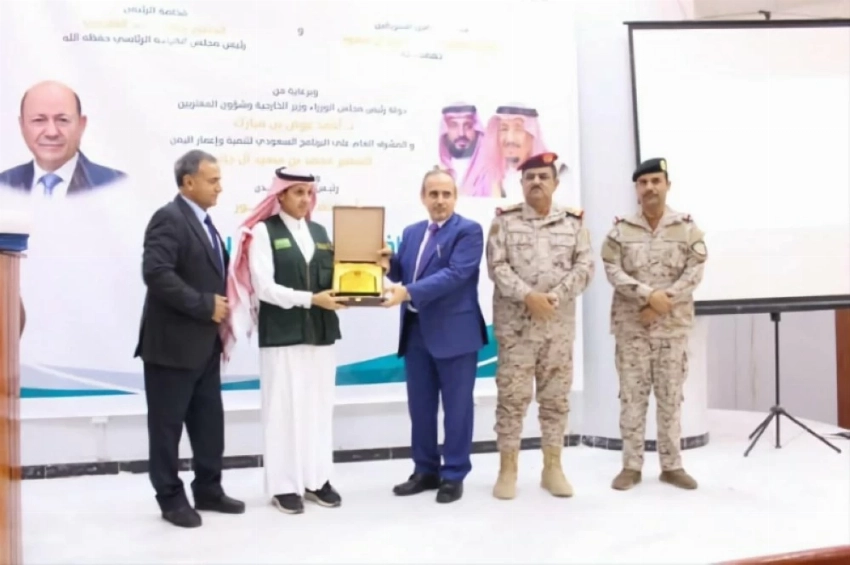
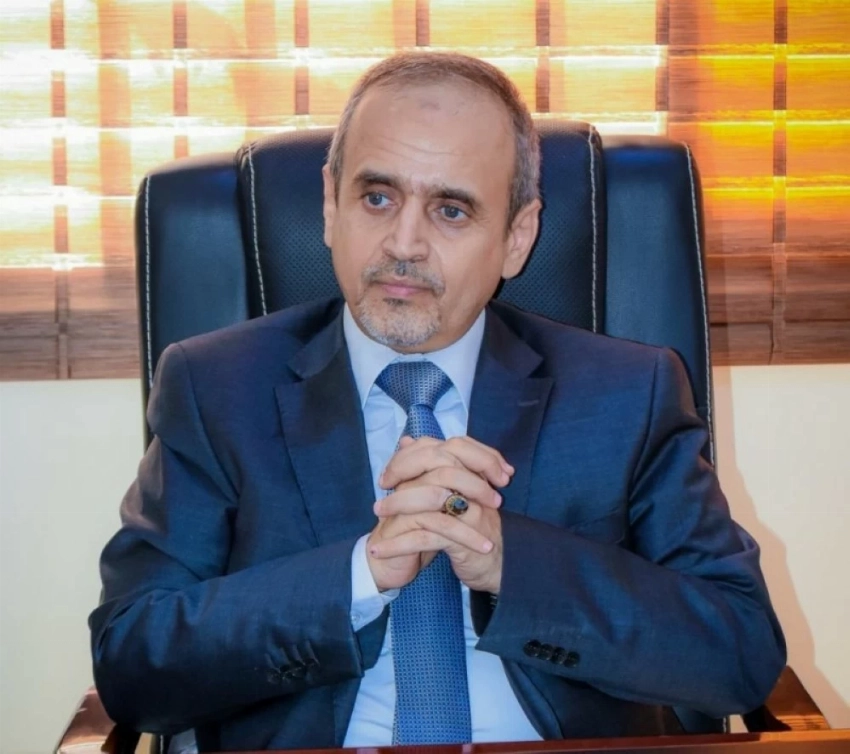
أكد وزير التعليم العالي اليمني الدكتور خالد الوصابي أنه لا يمكن الحديث عن الدعم السعودي لليمن في عجالة؛ لضخامته، إذ يتجاوز 27 مليون دولار مستهدفاً كل المجالات، بما يسهم في تحقيق الرفاه للشعب اليمني. وقال الوصابي في حوار أجرته معه «عكاظ»، إن مدينة الملك سلمان الطبية والتعليمية تعتبر أضخم مشروع على مستوى اليمن. مشيراً إلى أن البرنامج السعودي لتنمية وإعمار اليمن يساهم بفعالية في مشاريع وزارة التعليم العالي والبحث العلمي والتعليم الفني والتدريب المهني، من خلال تشييد الكليات والمعاهد، وإعادة تأهيل الجامعات، والعمل على دعم الابتعاث للطلبة اليمنيين، وتمكينهم من الدراسة في الخارج
وتطرق وزير التعليم العالي إلى عدد من المواضيع من خلال الحوار التالي:
عوامل عرقلة مسيرة التعليم
• بعد سنوات من الحرب كيف حال التعليم العالي والتدريب المهني خصوصاً ما يتعلق بالجامعات والمعاهد والتجهيزات؟
•• لا شك أن ظروف الحرب التي عاشتها اليمن أثرت على جميع القطاعات الخدمية بما فيها قطاع التعليم، وتعرضت كثير من المباني الحكومية للدمار بما فيها مبانٍ للجامعات والكليات، وتحولت إلى مراكز عسكرية، كما تعرضت للنهب وتحولت إلى مأوى للنازحين في عدن ومأرب وأبين وتعز، فكل هذه العوامل عرقلت مسيرة التعليم، ومنذ العام 2018 بدأنا تنفيذ خطة لحصر هذه الإشكالات والبدء في أعمال الترميم سواء بدعم من المنظمات المانحة أو بتمويل إيرادات الجامعات، ونجحنا في إعادة تأهيل كثير من المرافق الجامعية للعمل، ونجحنا في التغلب على مشكلات الطاقة بإدخال الطاقة الشمسية والطاقة البديلة ونقص الكادر جراء هجرة أعداد كبيرة من الكفاءات إلى خارج اليمن من خلال التعيينات أو التعاقد مع كوادر جديدة لسد النقص، كما استخدمنا برامج التعليم المدمج والإلكتروني في التعاقد مع بعض الكوادر المتواجدة خارج اليمن، أما ما يتعلق بالتجهيزات استطعنا إعادة تأهيل كثير من المعامل وافتتاح أخرى جديدة، كل هذا ساهم إلى حد كبير في سد العجز الذي عانت منه الجامعات والكليات والمعاهد، وتم افتتاح كليات جديدة في المحافظات المحررة، وبإذن الله خلال السنوات القادمة يتم تأهيل المعاهد ضمن خطة استراتيجية خاصة بالتعليم في اليمن.
دعم سعودي ضخم
• كيف تنظرون إلى التعاون بين السعودية واليمن في المجالات المختلفة عموماً والتعليم العالي والتدريب المهني خصوصاً؟
•• الدعم السعودي كبير، وليس من السهل الحديث عنه؛ لضخامته، ولأننا نتحدث عن 27 مليار دولار في المجالات الصحية والتعليمية والطرق ودعم الحكومة والمشتقات النفطية، والكهرباء، وتأهيل المباني الحكومية، فالدعم السعودي جاء شاملاً لجميع المجالات كدعم لمجلس القيادة الرئاسي والحكومة، فهذا الدعم عظيم وموجه لتطوير المنظومة الحكومية في اليمن، ويذهب إلى مواقعه مباشرة وبما ينعكس على المواطن اليمني. وفي مجال التعليم العالي والتدريب المهني فهناك منحة من السعودية بمبلغ 100 مليون دولار لتشييد 20 معهداً تقنيّاً وفنيّاً على مستوى اليمن وعلى أرقى المواصفات، وستنقل هذه المعاهد مستوى التعليم في اليمن وفي جميع التخصصات وتمكّن الشباب اليمني من سوق العمل في الداخل والخارج بكل سهولة، فهذا المشروع العملاق المقدم من السعودية سيشكل نقلة في التعليم المهني والتقني، وهناك دورات يشرف عليها مركز الملك سلمان في حضرموت وعدن ولحج وأبين تتضمن دورات قصيرة ومتوسطة المدى لتأهيل الشباب اليمني في مجال الصيانة والديكور وهندسة السيارات، وهناك تواصل مع البرنامج السعودي لتنمية وإعمار اليمن لإعادة تأهيل بعض المعاهد الفنية القديمة في عدن ولحج وتعز، والسعودية موّلت أيضاً ابتعاث الطلاب اليمنيين بمبلغ 50 مليون دولار، وموّلت معامل كثير من الكليات، في واحد من أهم المشاريع التعليمية النوعية، ومبنى كلية الطب بجامعة تعز، وتجب الإشارة إلى مدينة الملك سلمان الطبية والتعليمية في محافظة المهرة، فهذه المشاريع مستدامة، وتسهم في رفع مستوى التعليم وجميع المجالات.
منح من البرنامج السعودي
• حدّثنا عن الدعم السعودي لليمن عن طريق البرنامج السعودي لتنمية وإعمار اليمن..
•• قدم الكثير من المنح للحكومة اليمنية، يضاف إلى ما سبق وذكرته من دعم للتعليم العالي والتدريب المهني والتقني، إذ يتم حالياً استكمال مبنى كلية الطب بجامعة تعز، وكلية الصيدلة ومعمل الأدلة الجنائية بجامعة عدن، ومشروع كلية الطب والمستشفى التعليمي في جامعة إقليم سبأ، والمدينة الطبية في المهرة، والطرق التي جاءت على أفضل وأرقى المواصفات، وإعادة بناء وتأهيل عشرات الطرق الأخرى، التي تحولت إلى طرق للحياة، وكذلك منح الكهرباء، وتدريب الشباب والفتيات للانخراط في سوق العمل، وإقامة المستشفيات ودعم المراكز الصحية، وتأمين الأدوية والأدوات، ولعل مستشفى الأمير محمد بن سلمان هذا الصرح العالمي خير مؤشر على الدعم السعودي الذي لم ينقطع، خصوصاً أنه تُجرى في هذا المستشفى العمليات الجراحية المعقدة، ومن بينها القلب والأوعية الدموية، بأحدث الطرق العلاجية؛ لذلك الدعم السعودي خفّف من معاناة المواطن اليمني، وأمّن له الكثير من حاجاته الضرورية.
مدينة سلمان أضخم مشروع
• ما الدور الذي ستلعبه مدينة الملك سلمان الطبية والتعليمية مستقبلاً في مجال التعليم العالي؟
•• تعتبر أضخم مشروع طبي وتعليمي في اليمن، وتخدم محافظات كثيرة، وتشتمل على الكليات المهمة، وما يخدم مستقبل اليمن في كثير من المجالات، إضافة إلى كلية للعلوم الطبية والتمريض، وتضم المدينة مستشفى بجميع أقسامه، سيعمل وفق أعلى المعايير العالمية، ومهابط لطائرات الإخلاء الطبي، فالمشروع سيحدث نقلة تعليمية وطبية في اليمن، ويخلق فرصاً وظيفية طبية وتعليمية.
تحسين الإيرادات لمواجهة التحديات
• ما أبرز المشكلات التي ما زالت تواجهكم؟ وكيف تعملون للتغلب عليها؟
•• في التعليم العالي بدأنا بعد انتقالنا للعاصمة عدن من الصفر، وخلال السنوات الماضية أنجزنا الكثير، واستكملنا البنية الأهم، وعملنا على التأهيل والتدريب، وإنجاز متطلبات العمل الأكاديمي إلى أن استقرت الأوضاع في الوزارة والمشكلات لم تعد إستراتيجية؛ لأننا استطعنا تحسين الإيرادات وتحقيق الفائض، ولأننا انتهجنا للاعتماد على إمكاناتنا والعمل على تحسين إيرادات الوزارة بما يضمن قيامها بمهماتها الأساسية، وبدأنا في عملية التقييم والمراقبة وفق منهجية مدروسة، وعززنا منح الدراسات، وتسديد الرسوم الدراسية، وانتظام عمل الملحقيات، بعد تطوير آليات الابتعاث بما يضمن منحاً دراسية للطلبة المتفوقين، وأقمنا دورات تتعلق بالجودة في الجامعات الحكومية، فكل ما يتعلق بالتحديات التي نواجهها نسعى إلى تذليلها وإيجاد الحلول المناسبة لها، أما في مجال التعليم المهني ما زالت هناك مشكلة تواجهنا تتمثل في البنية التحتية المتقادمة، وليس لها علاقة بالمعاهد الجديدة التي بنتها السعودية، ونحن في الوزارة حريصون على مواكبة التقدم في التعليم الجامعي والتقني على مستوى العالم.
اعتماد البرامج بعد إقرارها
• كيف استطعتم المحافظة على المناهج الدراسية الجامعية رغم سنوات الحرب وما تعرضت له مسيرة التعليم من عقبات؟
•• الدراسة الجامعية تعتمد على التوصيف العام من أساتذة البرامج، والقديمة منها لم تتغير مع إدخال تعديلات بسيطة، والمناهج الحديثة تتم من خلال لجان مشكلة من الوزارة، وبالتالي لا تعتمد أي برامج إلا بعد إقرارها من قبل الوزارة والمجلس الأعلى للتعليم العالي، هناك إشكالية تتعلق بمناهج الجامعات التي ما زالت تحت سيطرة الحوثيين، ونحن نشدد من عملية المراقبة على المناهج بحيث تكون بعيدة عن الشعارات التي تحث على العنف والاحتراب.
تأثيث وتجهيز المشاريع
• ماذا عن التنسيق مع السعودية لإعادة تأهيل الجامعات ومراكز التدريب؟
•• التواصل مع البرنامج السعودي لتنمية وإعمار اليمن مستمر لاستكمال مبنى كلية الطب والعلوم الصحية والمستشفى التعليمي في جامعة تعز، وقريباً تستكمل مراحل التأثيث والتجهيز، وهو مشروع يشكل نقلة نوعية لمحافظة تعز، يضاف لذلك إعادة تأهيل بعض الكليات والمعاهد بالتشاور والتنسيق مع الأشقاء في السعودية، وفي مطلع العام 2026 سيكون هناك مشروع لإعادة تأهيل بعض المعاهد الفنية، واستكمال مرحلة تجهيز وتأثيث للمعاهد الحديثة التي شيدت على نفقة السعودية، ولدينا الكثير من المشاريع التي ستتم دراستها ومناقشها مع المسؤولين في البرنامج السعودي لتنمية وإعمار اليمن.
التوسع في إنشاء جامعات جديدة
• ماذا عن الجامعات والكليات وصيانة القائم منها؟ وكيف نجحتم في زيادة عددها؟
•• معظم الجامعات تعمل بشكل جيد، وتستقبل آلاف الطلاب سنوياً في جميع المحافظات، ولن نكتفي بإعادة تأهيل وترميم هذه الجامعات، وإنما التوسع في إنشاء جامعات جديدة، منها على سبيل المثال جامعات لحج والمهرة وإقليم سبأ وشبوة أنشئت جميعها في سنوات الحرب واليوم تستقبل هذه الجامعات عشرات الآلاف من الطلاب، وافتتحت كليات نوعية، وهذه هي الروح التي نعمل بها ونواجه بها التحديات ومكنتنا من استحداث عشرات البرامج في جميع الكليات وفي جميع التخصصات وفق معايير قانونية وصعبة. وهذه النجاحات في جميع الاتجاهات لم تكن لتحقق لو توقفنا نندب حظنا، فمنذ اللحظات الأولى وأثناء الحرب نضع خطط التطوير وإعادة البناء والعمل، وهو ما أنجح عمليات التطوير ولله الحمد وصولاً إلى تحقيق الجامعات اليمنية أفضل التصنيفات على المستويين الإقليمي والدولي.
تطوير برامج الابتعاث
• ما أهم المشاريع المستقبلية في مجال التعليم العالي؟ ومَنْ يمولها؟
•• الوزارة تسعى حالياً إلى تطوير المنظومة الرقمية مثل برامج الابتعاث التي ما زالت تعمل وفق برامج قديمة، بحيث يتم الربط عبر شبكة حديثة بين الوزارة والملحقيات الثقافية في الخارج، وآخر ما بين الوزارة والجامعات، وهذا المشروع تأخر كثيراً، لكن يبقى استراتيجياً ومهماً، ولدينا مشروع، ونحن بصدد استكمال منصة المجلات العلمية، خصوصاً أن لدينا خطة لتطويرها بما يتسق مع الشروط العربية والدولية، ولدينا خطة لاستكمال تأهيل الجامعات المتضررة من الحرب وتطوير برامجها بما يتوافق مع معايير الاعتماد والجودة، ولدينا خطة استراتيجية لوضع التعليم في اليمن من حيث الرؤية والأهداف ومراحل التطوير، وخطة أخرى لضم كليات المجتمع والمعاهد للوزارة وتعزيز التعليم التقني، وتشجيع الطلاب للانخراط في هذا النوع من التعليم، وهناك تواصل سيتم قريباً مع البرنامج السعودي لتنمية وإعمار اليمن لاستكمال المرحلة الثانية من مشروع تأثيث وتجهيز 20 من المعاهد الفنية.
تحويل التحديات إلى فرص للنجاح
• كيف تنظر إلى مستقبل التعليم في اليمن؟
•• لا شك أن هناك تحديات تواجه التعليم في اليمن منها مخرجات التعليم العام، وهجرة الكفاءات العلمية، وتدني حجم التمويل الحكومي لقطاع التعليم العالي والمهني، وضعف مستوى الكادر التعليمي، وحاجة كثير من البرامج للتطوير، وتدني مستوى الإقبال على التعليم عموماً، ومستوى التحاق الفتيات بالتعليم العالي والفني، وكل هذه التحديات طبيعية في ظل الأوضاع التي نعيشها، وسنضع الخطط اللازمة للتغلب عليها، ولدينا فرص قائمة من بينها عودة العقول المهاجرة والمساهمة في عملية التطوير وتطويع ما يتوفر من بنى تحتية والبناء عليها، وتوفر الهمة والرغبة الصادقة لدى الطالب اليمني في التعلم، خصوصاً أنهم في الخارج يحققون مستويات متقدمة رغم الإمكانات البسيطة، كل هذا سيساعدنا على استغلال الفرص لمواجهة التحديات وتحقيق النجاح المطلوب.
The Yemeni Minister of Higher Education, Dr. Khaled Al-Wasabi, confirmed that it is not possible to discuss Saudi support for Yemen in haste due to its magnitude, as it exceeds 27 million dollars targeting all sectors, contributing to the well-being of the Yemeni people. Al-Wasabi stated in an interview with "Okaz" that the King Salman Medical and Educational City is considered the largest project at the level of Yemen. He pointed out that the Saudi program for the development and reconstruction of Yemen is effectively contributing to the projects of the Ministry of Higher Education, Scientific Research, and Technical and Vocational Education by constructing colleges and institutes, rehabilitating universities, supporting scholarships for Yemeni students, and enabling them to study abroad.
The Minister of Higher Education addressed several topics through the following dialogue:
Factors Hindering the Education Journey
• After years of war, how is higher education and vocational training, especially concerning universities, institutes, and equipment?
•• There is no doubt that the war conditions that Yemen has experienced have affected all service sectors, including education. Many government buildings, including those of universities and colleges, have been destroyed and turned into military centers, as well as being looted and becoming shelters for displaced people in Aden, Marib, Abyan, and Taiz. All these factors have hindered the education journey. Since 2018, we have started implementing a plan to identify these issues and begin restoration work, either with support from donor organizations or through university revenues. We have succeeded in rehabilitating many university facilities to operate, overcoming energy problems by introducing solar and alternative energy, and addressing the shortage of staff due to the migration of a large number of competencies outside Yemen by appointing or contracting new staff to fill the gap. We have also used blended and electronic education programs to contract with some staff located outside Yemen. Regarding equipment, we have managed to rehabilitate many laboratories and open new ones, all of which has significantly contributed to addressing the shortages faced by universities, colleges, and institutes. New colleges have been opened in the liberated governorates, and God willing, in the coming years, institutes will be rehabilitated as part of a strategic plan for education in Yemen.
Massive Saudi Support
• How do you view the cooperation between Saudi Arabia and Yemen in various fields, particularly in higher education and vocational training?
•• The Saudi support is substantial, and it is not easy to discuss it due to its magnitude, as we are talking about 27 billion dollars in health, education, roads, government support, oil derivatives, electricity, and the rehabilitation of government buildings. The Saudi support has been comprehensive across all fields as support for the Presidential Leadership Council and the government. This support is significant and directed towards developing the governmental system in Yemen, going directly to its intended locations and reflecting positively on the Yemeni citizen. In the field of higher education and vocational training, there is a grant from Saudi Arabia amounting to 100 million dollars to establish 20 technical and vocational institutes across Yemen with the highest specifications. These institutes will elevate the level of education in Yemen across all disciplines and enable Yemeni youth to easily enter the job market both domestically and abroad. This giant project provided by Saudi Arabia will represent a leap in vocational and technical education. There are courses supervised by the King Salman Center in Hadramout, Aden, Lahij, and Abyan that include short and medium-term courses to qualify Yemeni youth in maintenance, decoration, and automotive engineering. There is ongoing communication with the Saudi program for the development and reconstruction of Yemen to rehabilitate some old technical institutes in Aden, Lahij, and Taiz. Saudi Arabia has also funded the scholarship of Yemeni students with an amount of 50 million dollars and financed many college laboratories, including one of the most important qualitative educational projects, the College of Medicine building at Taiz University. It is worth mentioning the King Salman Medical and Educational City in Al-Mahra Governorate. These projects are sustainable and contribute to raising the level of education and all fields.
Grants from the Saudi Program
• Tell us about Saudi support for Yemen through the Saudi Program for Development and Reconstruction of Yemen...
•• Many grants have been provided to the Yemeni government, in addition to what I previously mentioned regarding support for higher education and vocational training. Currently, the construction of the College of Medicine at Taiz University, the College of Pharmacy, and the Forensic Laboratory at Aden University is being completed, along with the project for the College of Medicine and the teaching hospital at the University of the Saba Region, the medical city in Al-Mahra, and the roads that have been built to the highest standards, as well as the reconstruction and rehabilitation of dozens of other roads that have become lifelines. There are also grants for electricity, training for young men and women to enter the job market, establishing hospitals, supporting health centers, and securing medicines and equipment. Perhaps the Prince Mohammed bin Salman Hospital, this global edifice, is a good indicator of the continuous Saudi support, especially since complex surgeries, including cardiac and vascular operations, are performed in this hospital using the latest treatment methods. Therefore, Saudi support has alleviated the suffering of the Yemeni citizen and secured many of their essential needs.
King Salman City: The Largest Project
• What role will the King Salman Medical and Educational City play in the future of higher education?
•• It is considered the largest medical and educational project in Yemen, serving many governorates. It includes important colleges that serve the future of Yemen in many fields, in addition to a college for medical sciences and nursing. The city includes a hospital with all its departments, which will operate according to the highest international standards, along with landing pads for medical evacuation aircraft. This project will bring about an educational and medical transformation in Yemen and create medical and educational job opportunities.
Improving Revenues to Face Challenges
• What are the main problems you still face? How are you working to overcome them?
•• In higher education, we started from scratch after moving to the capital, Aden, and over the past years, we have accomplished a lot, completing the most important infrastructure, working on rehabilitation and training, and fulfilling the requirements for academic work until the situation in the ministry stabilized, and the problems are no longer strategic because we managed to improve revenues and achieve a surplus. We have adopted a policy of relying on our capabilities and working to improve the ministry's revenues to ensure it can carry out its essential tasks. We began the process of evaluation and monitoring according to a studied methodology, enhanced scholarship grants, tuition fee payments, and regularized the work of attachés after developing scholarship mechanisms to ensure scholarships for outstanding students. We established courses related to quality in public universities. We strive to overcome all challenges we face and find appropriate solutions. However, in the field of vocational education, there is still a problem we face related to outdated infrastructure, which is not related to the new institutes built by Saudi Arabia. We in the ministry are keen to keep pace with advancements in university and technical education worldwide.
Approval of Programs After Ratification
• How have you managed to maintain university curricula despite years of war and the obstacles faced by the education journey?
•• University study relies on the general description from program professors, and the old ones have not changed except for minor modifications. Modern curricula are developed through committees formed by the ministry, and thus no programs are approved without ratification by the ministry and the Supreme Council for Higher Education. There is an issue related to the curricula of universities that are still under the control of the Houthis, and we emphasize monitoring the curricula to ensure they are free from slogans that incite violence and conflict.
Furnishing and Equipping Projects
• What about coordination with Saudi Arabia to rehabilitate universities and training centers?
•• Communication with the Saudi Program for Development and Reconstruction of Yemen is ongoing to complete the building of the College of Medicine and Health Sciences and the teaching hospital at Taiz University. Soon, the stages of furnishing and equipping will be completed, and this project represents a qualitative leap for Taiz Governorate. In addition, we are rehabilitating some colleges and institutes in consultation and coordination with our brothers in Saudi Arabia. At the beginning of 2026, there will be a project to rehabilitate some technical institutes and complete the furnishing and equipping phase for the modern institutes built at Saudi expense. We have many projects that will be studied and discussed with the officials in the Saudi Program for Development and Reconstruction of Yemen.
Expanding the Establishment of New Universities
• What about the universities and colleges, and the maintenance of existing ones? How have you succeeded in increasing their number?
•• Most universities are functioning well and receive thousands of students annually across all governorates. We will not be satisfied with rehabilitating and restoring these universities; rather, we will expand the establishment of new universities. For example, the universities of Lahij, Al-Mahra, the Saba Region, and Shabwa were all established during the war years, and today these universities welcome tens of thousands of students and have opened specialized colleges. This is the spirit with which we work and face challenges, enabling us to create dozens of programs across all colleges and disciplines according to legal and rigorous standards. These successes in all directions would not have been achieved if we had stopped lamenting our fate. From the very first moments during the war, we have been developing plans for improvement, reconstruction, and work, which has successfully led to the Yemeni universities achieving the best rankings at both regional and international levels.
Developing Scholarship Programs
• What are the most important future projects in the field of higher education? Who funds them?
•• The ministry is currently seeking to develop the digital system, such as scholarship programs that are still operating under old frameworks, to connect via a modern network between the ministry and cultural attachés abroad, and between the ministry and universities. This project has been delayed for a long time, but it remains strategic and important. We have a project, and we are in the process of completing the platform for scientific journals, especially since we have a plan to develop it in line with Arab and international standards. We have a plan to complete the rehabilitation of universities affected by the war and develop their programs in accordance with accreditation and quality standards. We also have a strategic plan to position education in Yemen in terms of vision, goals, and stages of development, along with another plan to integrate community colleges and institutes into the ministry and enhance technical education, encouraging students to engage in this type of education. There will soon be communication with the Saudi Program for Development and Reconstruction of Yemen to complete the second phase of the project to furnish and equip 20 technical institutes.
Turning Challenges into Opportunities for Success
• How do you view the future of education in Yemen?
•• There is no doubt that there are challenges facing education in Yemen, including the outputs of general education, the migration of scientific competencies, the low level of government funding for higher and vocational education, the weakness of the educational staff, the need for many programs to be developed, and the low level of enrollment in education in general, as well as the level of girls' enrollment in higher and vocational education. All these challenges are natural given the circumstances we live in, and we will put in place the necessary plans to overcome them. We have existing opportunities, including the return of migrating minds and their contribution to the development process, utilizing available infrastructure and building upon it, and the genuine enthusiasm and desire of Yemeni students to learn, especially since they achieve advanced levels abroad despite limited resources. All of this will help us seize opportunities to face challenges and achieve the desired success.
قدمنا لكم زوارنا أهم وأحدث الأخبار فى هذا المقال : وزير التعليم العالي اليمني لـ«عكاظ»: مدينة الملك سلمان الطبية والتعليمية أعظم مشروع في اليمن - وضوح نيوز, اليوم الأحد 7 ديسمبر 2025 02:40 صباحاً



0 تعليق