
نعرض لكم زوارنا أهم وأحدث الأخبار فى المقال الاتي:
«عكاظ» ترصد بقايا العرب في «قصبة لشبونة» - وضوح نيوز, اليوم الأربعاء 10 ديسمبر 2025 11:20 صباحاً
على أعلى قمة من تلال لشبونة، حيث تطل المدينة على نهر «التاجة» تقف قلعة «القصبة» الشامخة، التي تسمى اليوم قلعة «القديس جورج» كأحد أهم المعالم التاريخية، التي تختزن بين حجارتها آثارًا تمتد لقرون طويلة.
ورغم تعدد الحضارات التي مرّت على هذا الموقع، يبقى العهد الإسلامي أحد أهم الفصول، التي شكّلت ملامح القلعة والمدينة على السواء.
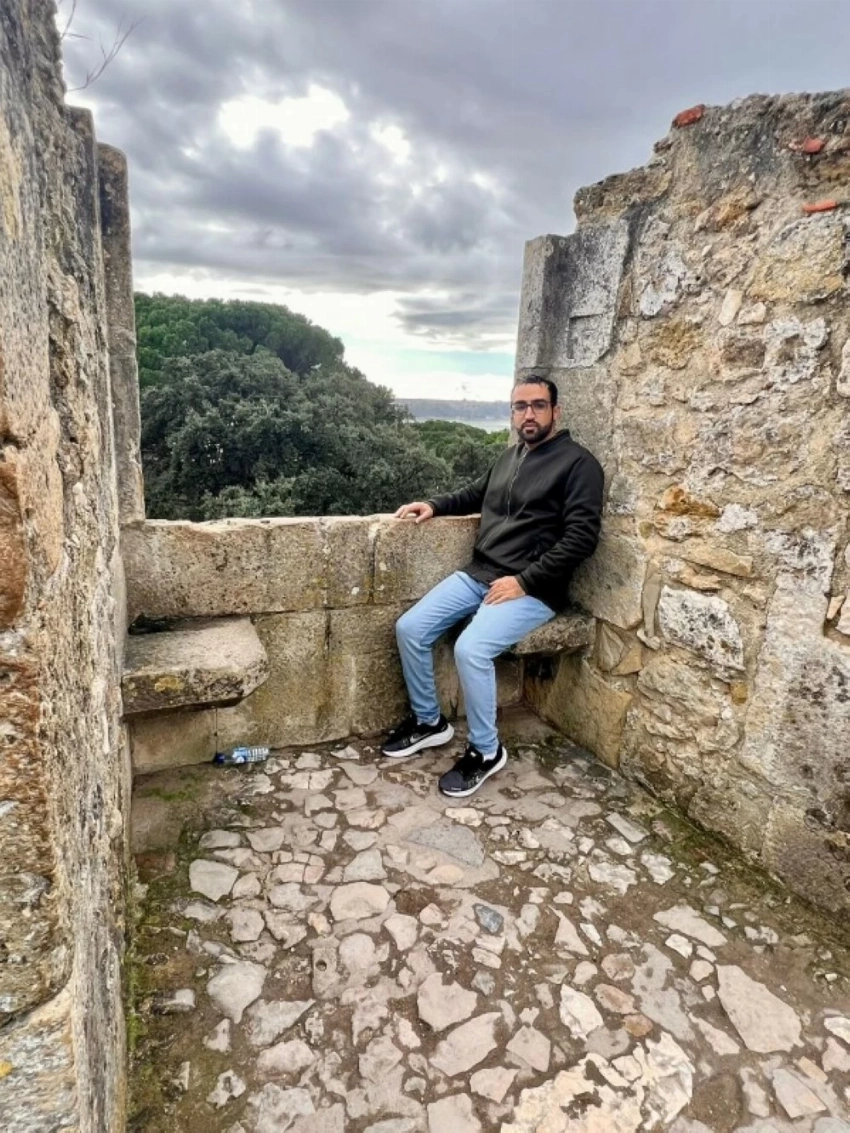
بناء إسلامي واضح المعالم
يوضح موقع القلعة على التل، أن بنية التحصينات القائمة اليوم ترجع جذورها إلى الفترة الإسلامية، حين خضعت لشبونة للحكم العربي منذ أوائل القرن الثامن الميلادي.
وخلال تلك المرحلة، برزت القلعة كجزء من منظومة دفاعية متقدمة، تُعرف باسم «القصَبة» وهو مصطلح لاتزال اللغة البرتغالية تحتفظ به من العربية.
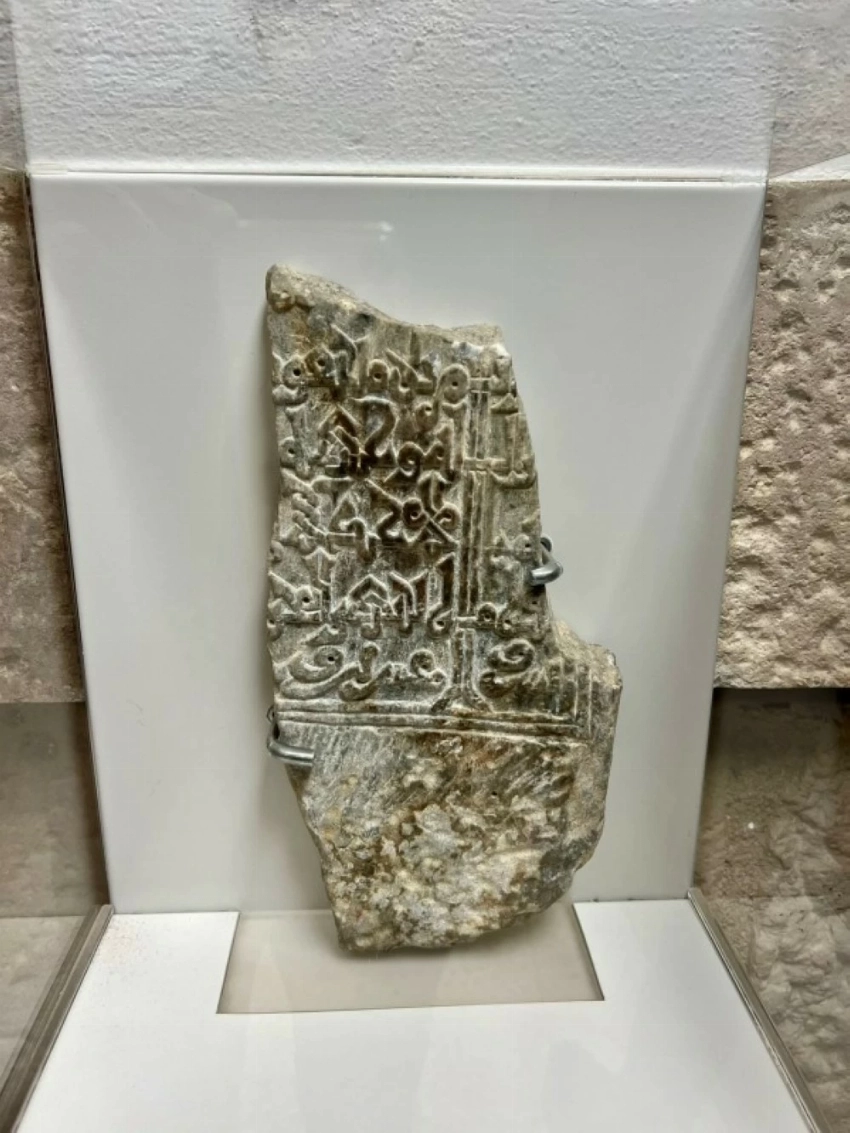
وتميزت هذه التحصينات بتخطيط هندسي يستفيد من طبيعة التل ووعورته، ويعتمد على أبراج مراقبة وسور خارجي، يتيح السيطرة على الطرق المؤدية إلى المدينة، وعلى مجرى نهر التاجة، الذي كان أحد أهم شرايين التجارة في الغرب الإسلامي.
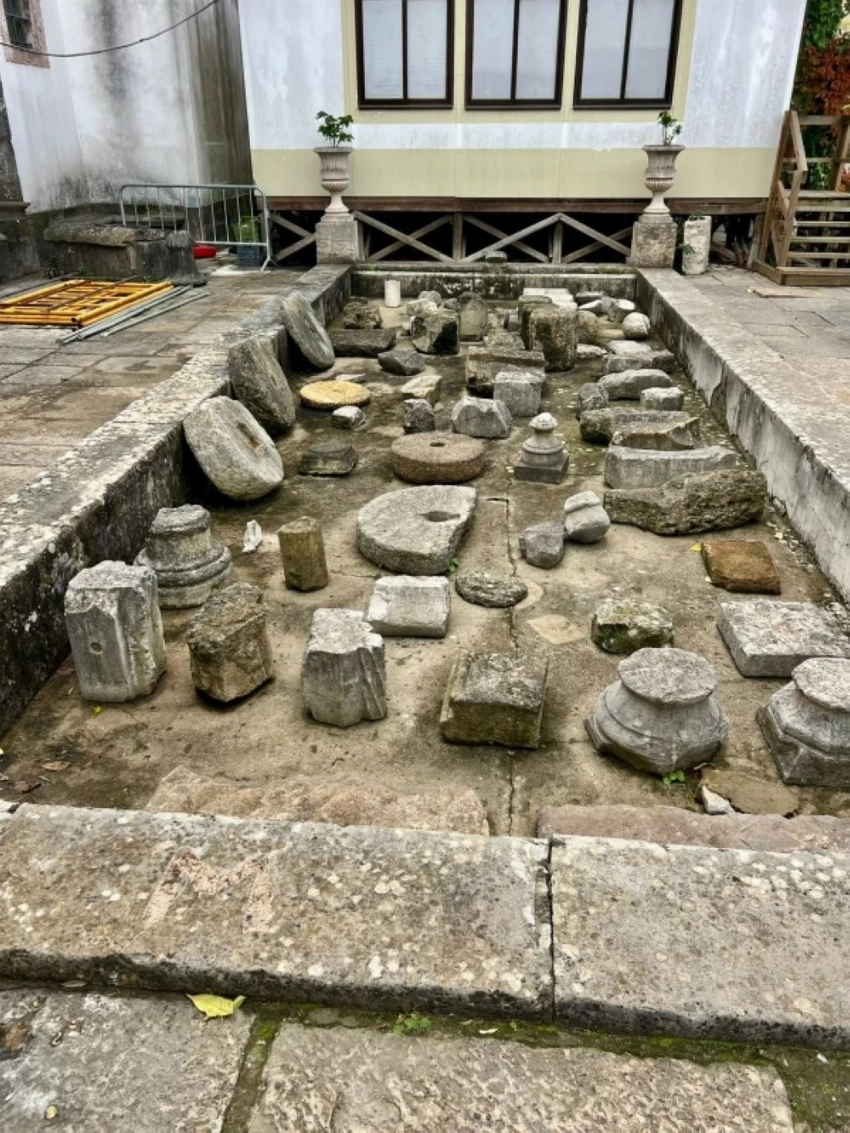
ممرات وأسوار تحتفظ ببصمة العرب
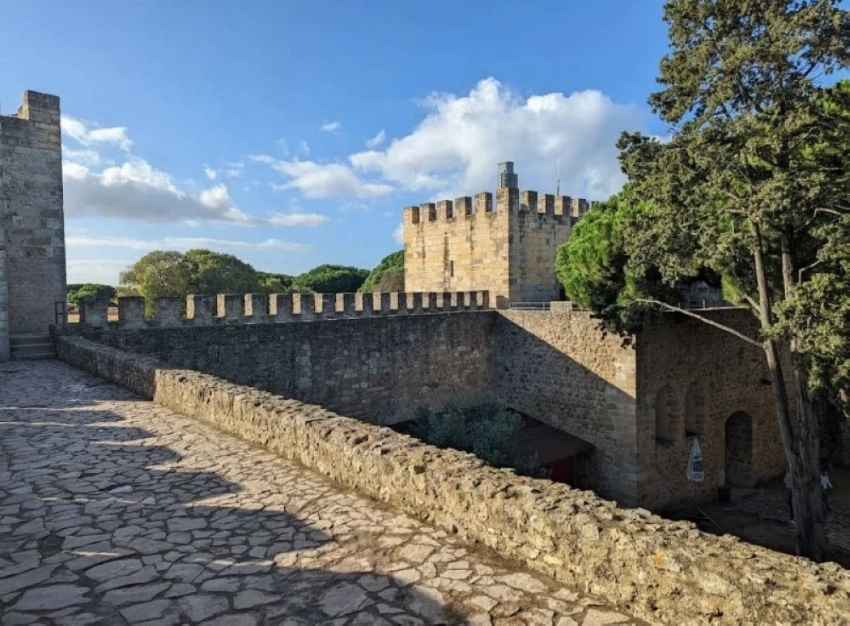
وتكشف جولة «عكاظ» داخل القلعة ملامح عمرانية ما تزال تشير بوضوح إلى تلك الحقبة، خصوصًا في توزيع الأبراج، وتصميم الممرات الضيقة، التي تسمح بالسيطرة على حركة الداخلين، إضافة إلى وجود بقايا منشآت مدنية وعسكرية داخل «القَصَبة» تُظهر أن المكان عبارة عن مركز إداري محصن، ويشرف على المدينة من كل الجهات.
كما أن طريقة بناء الجدران، وتقسيم المساحات الدفاعية، وطبيعة الاستخدامات داخل القلعة، كلها تحمل أثر الأسلوب الإسلامي في إقامة الحصون، وهو الأسلوب ذاته الذي ظهر في مدن أندلسية أخرى، مثل قرطبة وإشبيلية وغرناطة.
1147… التحول الكبير وسقوط لشبونة
في عام 1147 كان مفصلًا في تاريخ القلعة، إذ سيطر البرتغاليون على لشبونة بعد حصار طويل، لتتحول القلعة الإسلامية إلى مقر ملكي، ثم إلى مركز سياسي للحكم الجديد. ومع أن الترميمات اللاحقة، خصوصًا بعد زلزال 1755 غيّرت أجزاء من القلعة، إلا أن الهيكل الأساسي للتحصينات ظل قائمًا، محتفظًا ببصمة الحقبة الإسلامية بوضوح.
مدينة متعددة الحضارات
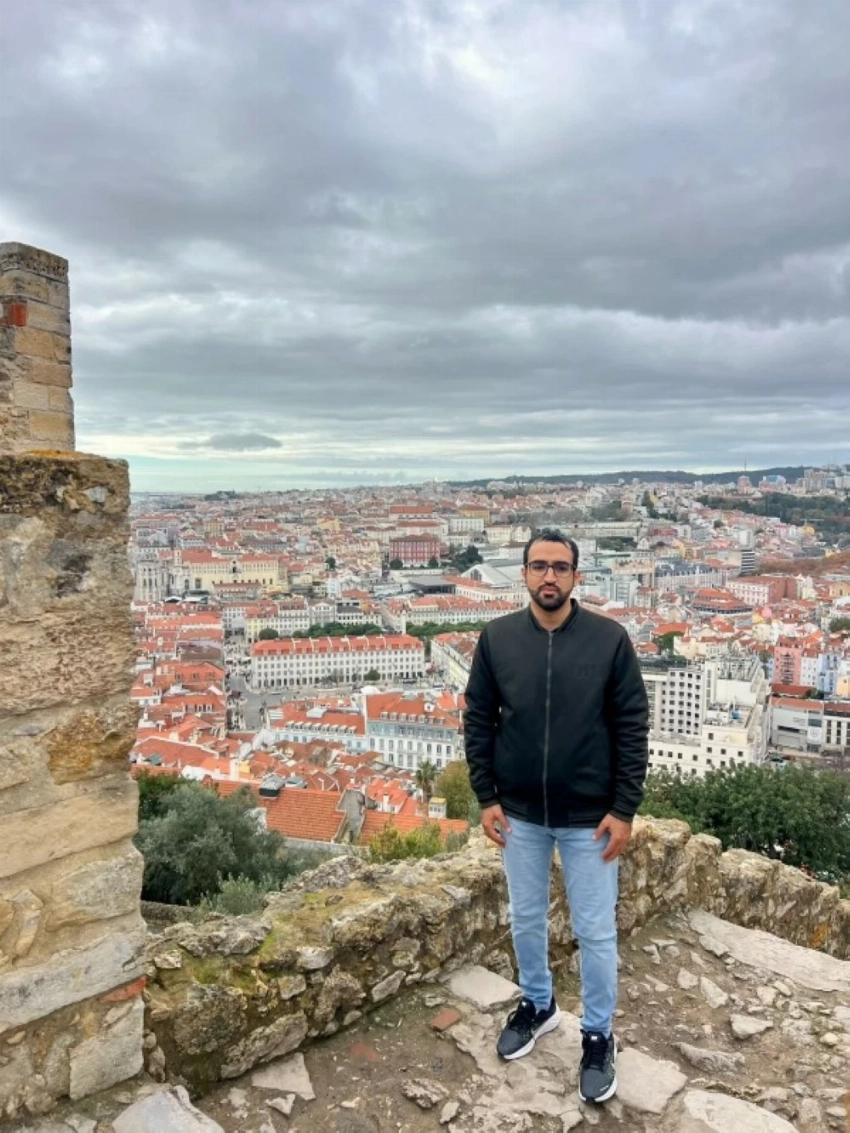
ومن أعلى الأسوار، تبدو لشبونة الحديثة ممتدة على سفوح التلال، بينما تقف القلعة خلفها كذاكرة مفتوحة، تروي قصة مدينة مرّت عليها حضارات متعاقبة، كان للعرب والمسلمين فيها حضور ممتدّ لأكثر من أربعة قرون.
ذلك الحضور لم يقتصر على الحكم، بل شمل العمران واللغة والعلوم وتنظيم المدن، وهو ما رصدته «عكاظ» بين تفاصيل تلك القلعة.
ورغم أن البرتغال المعاصرة أعادت صياغة وظائف الموقع، ليكون فضاءً ثقافيًا وتاريخيًا، فإن القلعة بما تبقّى فيها من تحصينات داخلية، لا تزال شاهدًا حيًا على مرحلة إسلامية عتيقة، لكنها تركت أثرها العميق في تكوين العاصمة البرتغالية نفسها.
قلعة تختزن ذاكرة العرب في الغرب الأوروبي
هكذا تبدو «قَصبة لشبونة» أو كما تسمى اليوم قلعة القديس جورج، معلمًا يُقرأ بعيون عدة، لكنه يحمل في قلبه صبغة عربية إسلامية واضحة، تكشفها الجدران والأسوار، وتؤكدها الدراسات التاريخية، وتعيدها للذاكرة كل زيارة لها.
At the highest peak of the hills of Lisbon, overlooking the "Tagus" River, stands the majestic "Alcáçovas" Castle, known today as "Saint George's Castle," one of the most important historical landmarks that holds within its stones traces extending over many centuries.
Despite the multiple civilizations that have passed through this site, the Islamic era remains one of the most significant chapters that shaped the features of both the castle and the city alike.
Clear Islamic Architecture
The location of the castle on the hill indicates that the existing fortifications date back to the Islamic period when Lisbon was under Arab rule from the early eighth century AD.
During that phase, the castle emerged as part of an advanced defensive system known as "Alcáçovas," a term that the Portuguese language still retains from Arabic.
These fortifications were characterized by an architectural layout that took advantage of the hill's nature and ruggedness, relying on watchtowers and an outer wall that allowed control over the roads leading to the city and the course of the Tagus River, which was one of the most important arteries of trade in the Islamic West.
Passages and Walls Retaining the Arab Imprint
A tour of "Okaz" within the castle reveals architectural features that clearly point to that era, especially in the distribution of towers and the design of narrow passages that allow control over the movement of entrants, in addition to the presence of remnants of civil and military structures within the "Alcáçovas," showing that the place was a fortified administrative center overseeing the city from all sides.
Moreover, the method of building the walls, the division of defensive spaces, and the nature of the uses within the castle all bear the mark of the Islamic style in fortification, which is the same style that appeared in other Andalusian cities, such as Córdoba, Seville, and Granada.
1147… The Great Transformation and the Fall of Lisbon
In 1147, a pivotal moment in the history of the castle occurred when the Portuguese seized Lisbon after a long siege, transforming the Islamic castle into a royal residence and then into a political center for the new rule. Although subsequent restorations, especially after the 1755 earthquake, altered parts of the castle, the basic structure of the fortifications remained intact, clearly retaining the imprint of the Islamic era.
A City of Multiple Civilizations
From the highest walls, modern Lisbon appears to extend across the slopes of the hills, while the castle stands behind it as an open memory, narrating the story of a city that has witnessed successive civilizations, with the Arabs and Muslims having a presence that lasted for more than four centuries.
This presence was not limited to governance but also included architecture, language, sciences, and urban organization, which "Okaz" documented among the details of that castle.
Although contemporary Portugal has reshaped the functions of the site to be a cultural and historical space, the castle, with its remaining internal fortifications, still stands as a living witness to an ancient Islamic phase, leaving a deep impact on the formation of the Portuguese capital itself.
A castle that holds the memory of the Arabs in Western Europe
This is how "Alcáçovas of Lisbon," or as it is known today, Saint George's Castle, appears as a landmark that can be read through various lenses, yet it carries within its heart a clear Arab Islamic hue, revealed by its walls and fortifications, confirmed by historical studies, and brought back to memory with every visit.
قدمنا لكم زوارنا أهم وأحدث الأخبار فى هذا المقال : «عكاظ» ترصد بقايا العرب في «قصبة لشبونة» - وضوح نيوز, اليوم الأربعاء 10 ديسمبر 2025 11:20 صباحاً




0 تعليق